BLOG NO.5: Title sequence analysis
- 胤哲 张
- Jan 4, 2022
- 2 min read

Updated: Mar 23, 2022
What is a title sequence and what is the purpose of it?
A title sequence is an intro to a film where movies or TV programs show their title, key production, casts, and sometimes opening credits. It's main purpose is to set the overall tone of the movie, and to hint the audience when and where the film is going to start.
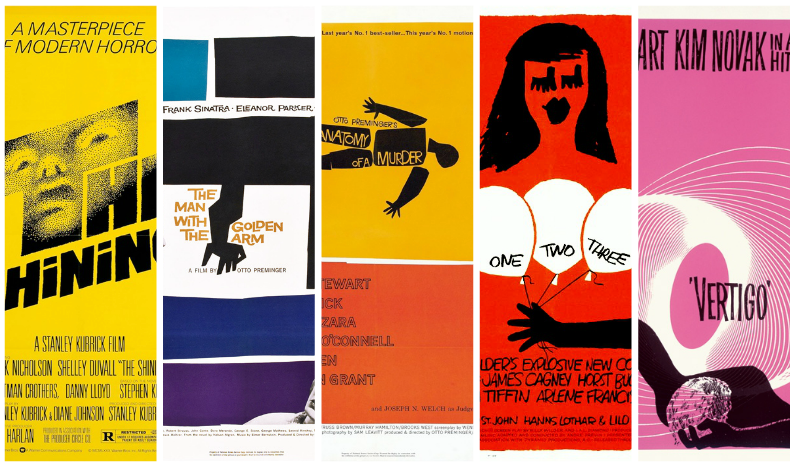
Saul Bass – why is his work so influential?
Saul Bass, an American film/graphic designer is best known for his title sequences and film posters design. He was first introduced to the film industry when his poster design for the movie 'Carmen Jones' was impressive, and since then, filmmakers and directors have introduced him to the design and production of title credits. Bass was famous for his minimal style, which he cleverly incorporates this with the movement of letters across the screen which go really well with the images in the title sequence. This is revolutionary since credits were used to appearing at the end of the film, and Bass's work has made titles become a spectacle to be seen.

How is a title sequence different from an opening?
Based on my research, a film opening is the first few minutes of a film where the scenes are specially designed to grab the audiences' attention and to get them interested. A title sequence also appears at the start of the film, but it's used to set the tone of the movie, to hint the audience when and where the film is going to start, and mention credits to certain people in the process of production.

Title sequence analysis-Catch me if you can (Stephen Spielberg)
Firstly, in terms of the words/typography presented in the sequence, there are compelling linear shapes extending over the picture to show that an energetic young man (starring DiCaprio) is making his escape which is a direct hint for the upcoming story.
As the title sequence starts, mysterious non diegetic music with different tempos, pitches, and tones create an idea that it's telling a story to match the animation. When the animation shows that the character is about to be caught, the music becomes dramatic and new characters appears on the screen which creates suspense and tension for the audience. But as the character avoids being caught, the tempo of the music slows down suggesting that the character is a tricky person.
Following on the above, we can see that the animation in this title sequence is definitely well thought. There is this character hiding and disguising himself smoothly all the time, and along with the changing outfits, he blends into the backgrounds/ surroundings which shows that he is not only shifty, but a pro at tricking people.
A key feature or strategy that I've noticed in the sequence are the large bold texts showing the Director and the main character's name. Being a film produced and starred by some of the best in Hollywood like Spielberg, DiCaprio, and Tom Hanks, the placement of these names will make some audiences who's just interested in the actors to go and see the film.


Comments